Strengthening laboratory capacity through hands-on collaboration in Benin
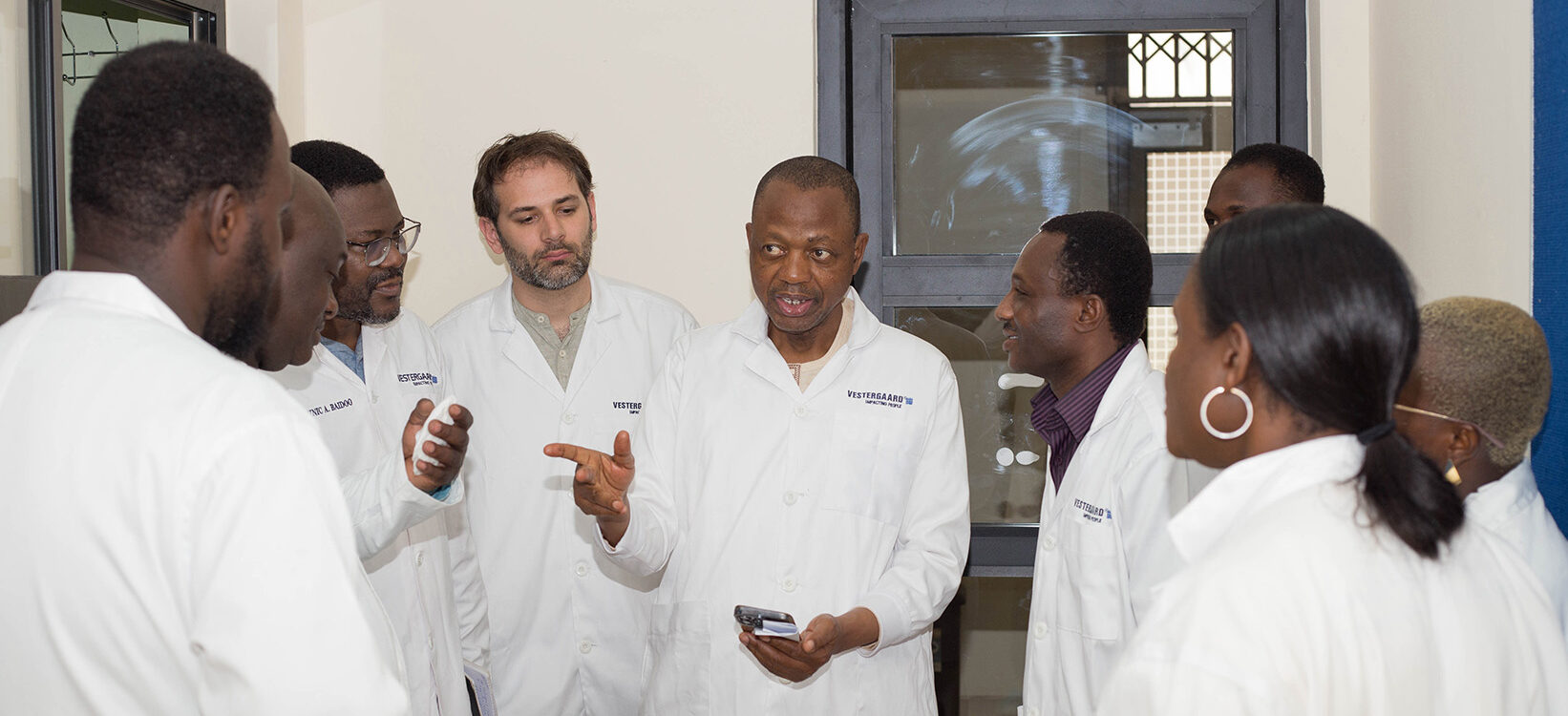
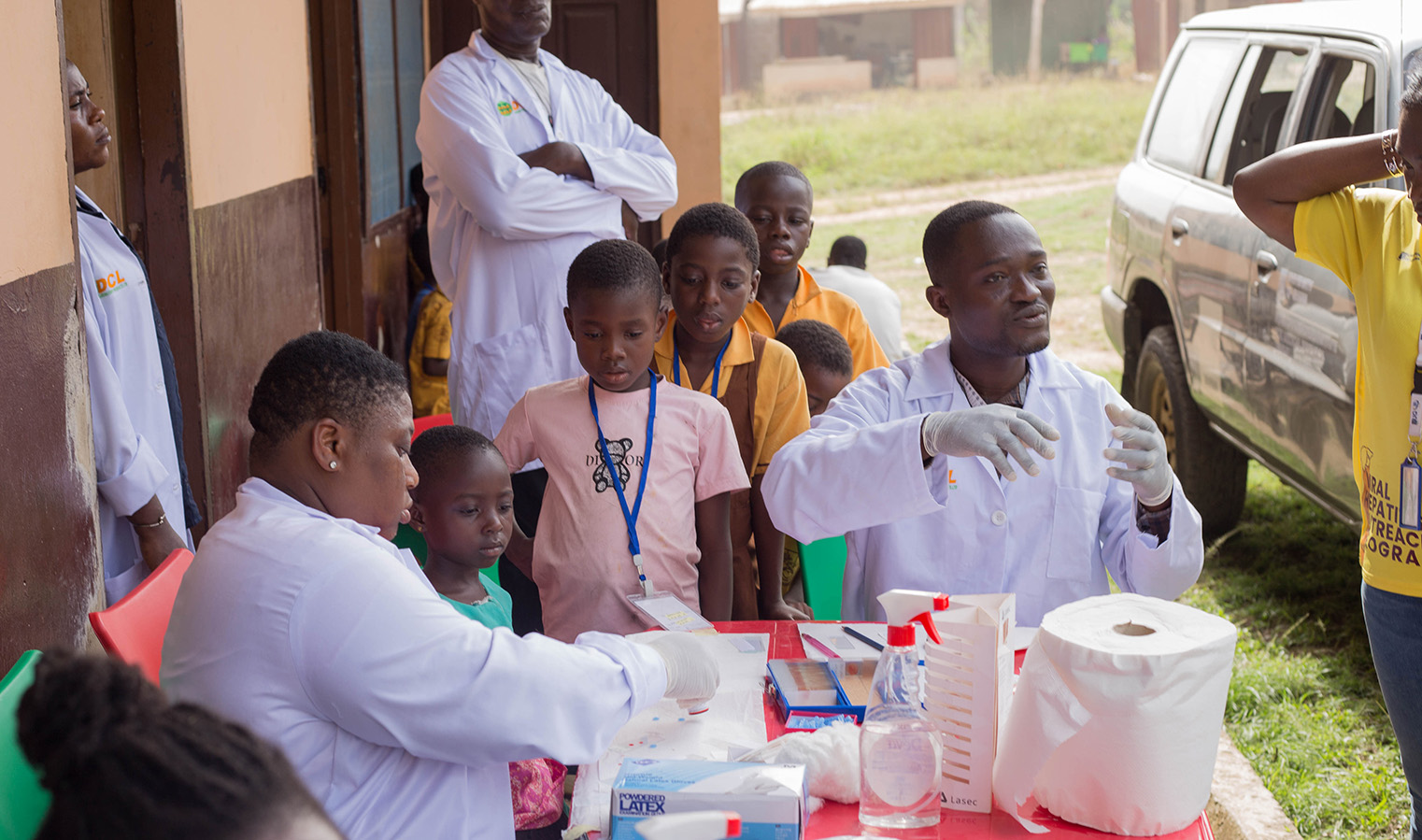
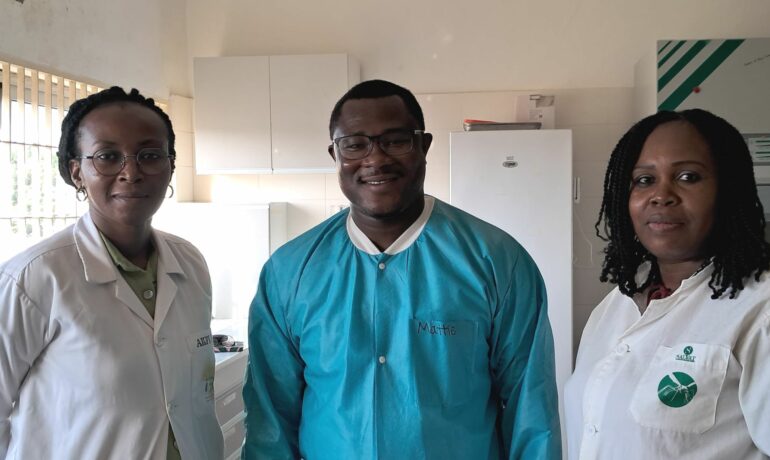
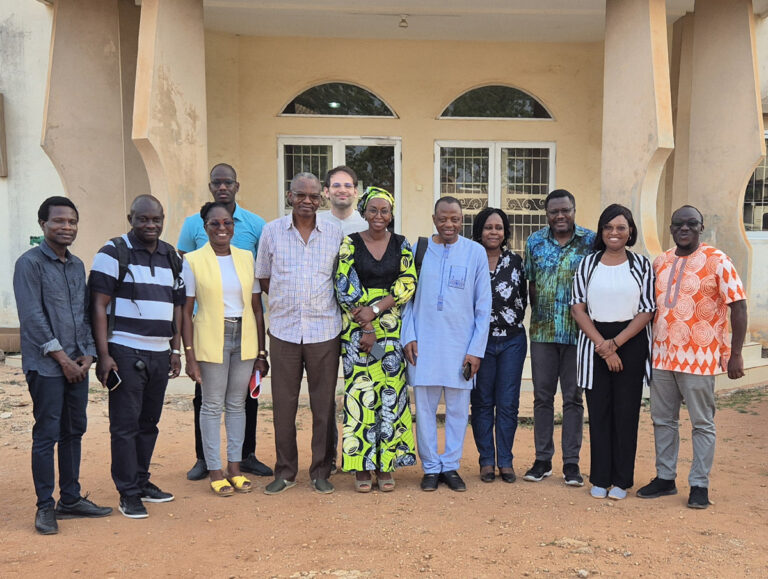
As part of the PfVIMT project, Ebenezer Addo OFORI (Postdoc, IRD) travelled to Benin in May to support ongoing clinical...
The PfVIMT project is generating the evidence needed to support future regulatory evaluation of the world’s most clinically advanced transmission-blocking malaria vaccine strategy.
By combining Pfs230D1, a vaccine designed to prevent parasite transmission from humans to mosquitoes, with the licensed malaria vaccine R21, PfVIMT seeks to demonstrate the potential of a first-in-class multi-stage malaria vaccine approach. The project will conduct clinical trials across several African countries and generate the evidence required to support future regulatory evaluation and large-scale deployment.
project
EDCTP3 funding
next-generation malaria vaccine
from 10 countries
Malaria vaccines represent one of the most important public health advances of recent decades and are now being introduced across several countries in sub-Saharan Africa. The two licensed malaria vaccines, RTS,S and R21, have the potential to save hundreds of thousands of children’s lives by reducing malaria infection and disease.
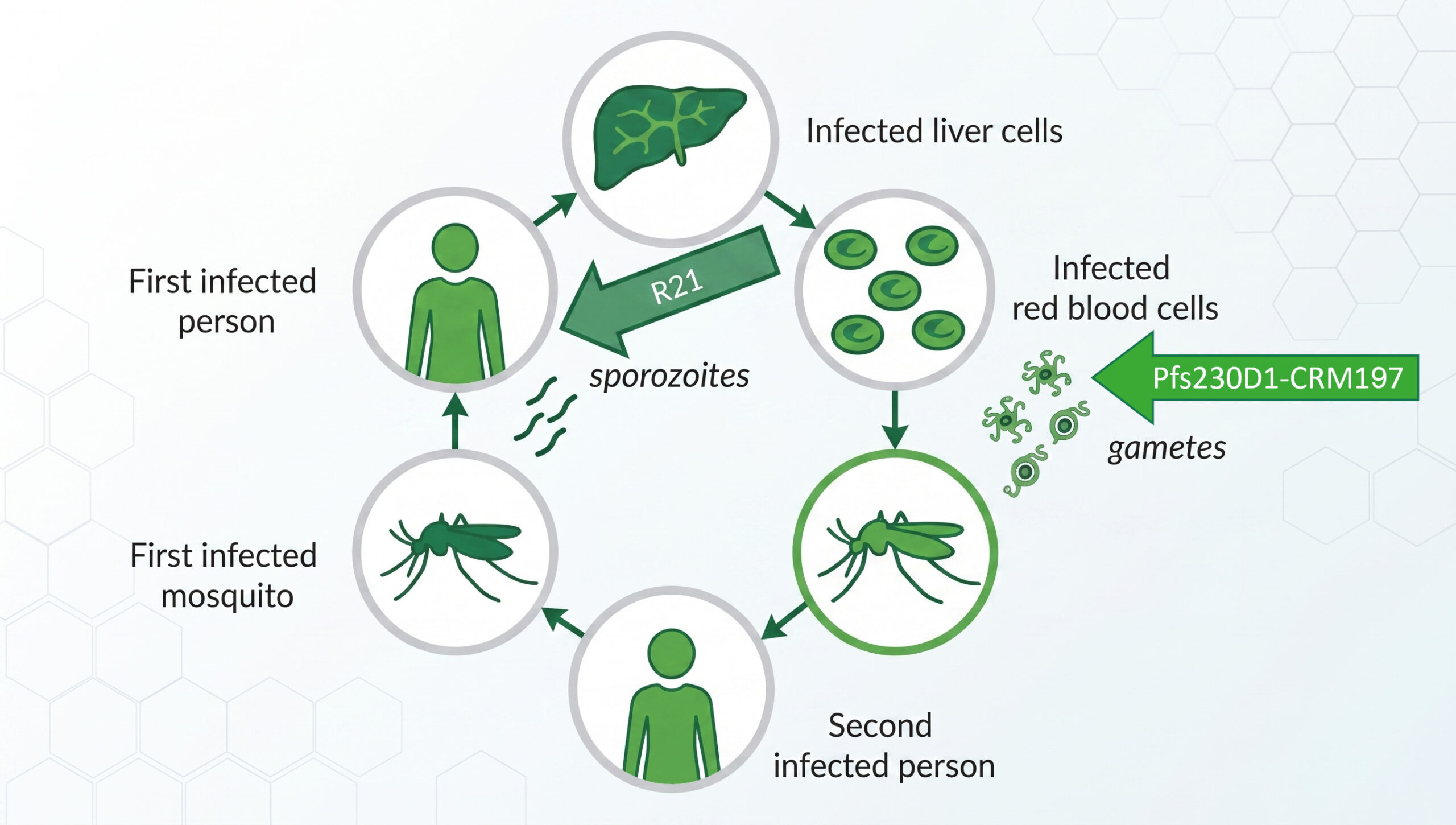
While these vaccines are a major breakthrough, further innovation is needed to accelerate malaria control and support elimination efforts. Malaria parasites have a complex life cycle, offering multiple opportunities for vaccine intervention. RTS,S and R21 target parasites before they multiply in the liver, helping to prevent infection and clinical disease.
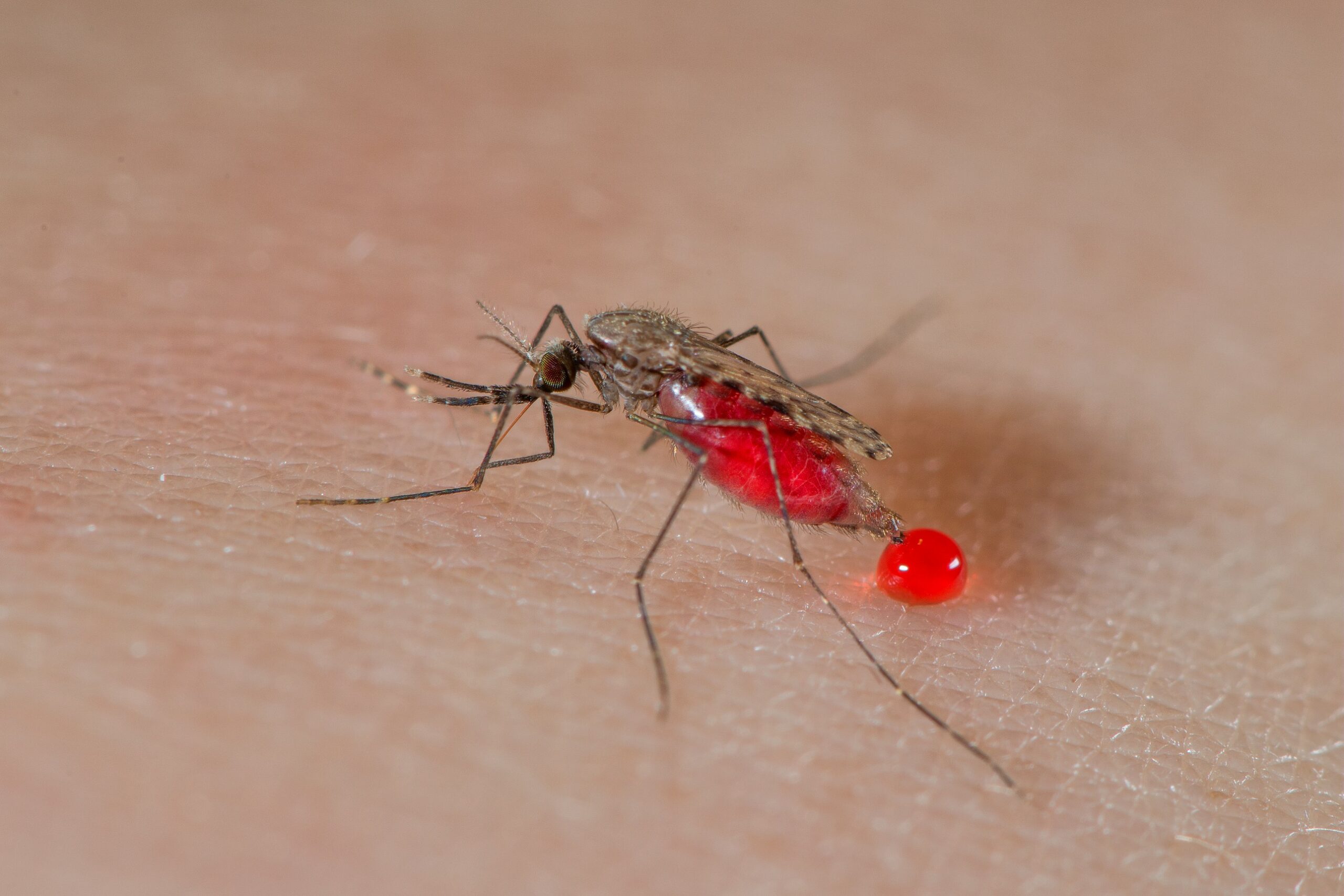
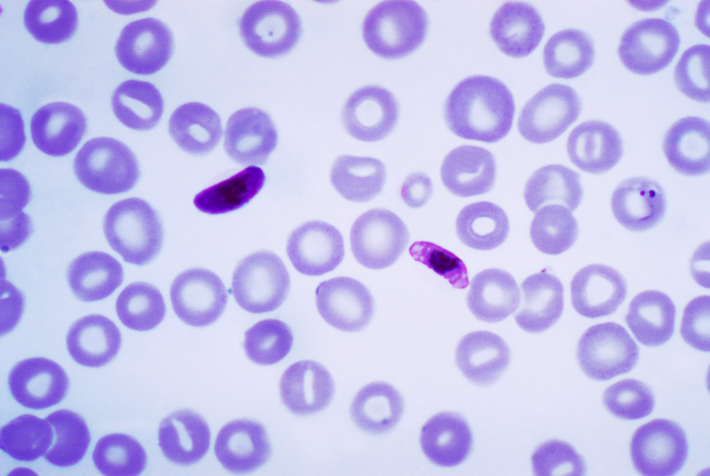
Another promising strategy focuses on transmission-blocking vaccines. These vaccines target the sexual-stage parasites (gametocytes) that are taken up by mosquitoes and are responsible for spreading malaria from one person to another. By reducing parasite development within mosquitoes, transmission-blocking vaccines can decrease parasite circulation and lower the overall malaria burden within communities.
PfVIMT is advancing this approach through the development of Pfs230D1+R21, an innovative multi-stage malaria vaccine designed to target both infection and transmission. By combining complementary mechanisms of action, the project aims to generate the evidence needed to support the next generation of malaria vaccines for control and elimination.
However, these vaccines are of moderate efficacy, and work continues on next-generation products. Malaria parasites have a complex life cycle, and vaccines could potentially target different stages of parasite development. RTS,S and R21, for example, both interfere with parasite invasion of liver cells, which provide a safe haven for the initiation of parasite multiplication.
But there is also interest in targeting a later stage – the gametocytes that are taken up by mosquitoes and develop into the form that can reinfect people. This strategy – known as transmission blocking – does not directly prevent infection or illness in vaccinated individuals but reduces parasite circulation and the total malaria burden in a community.

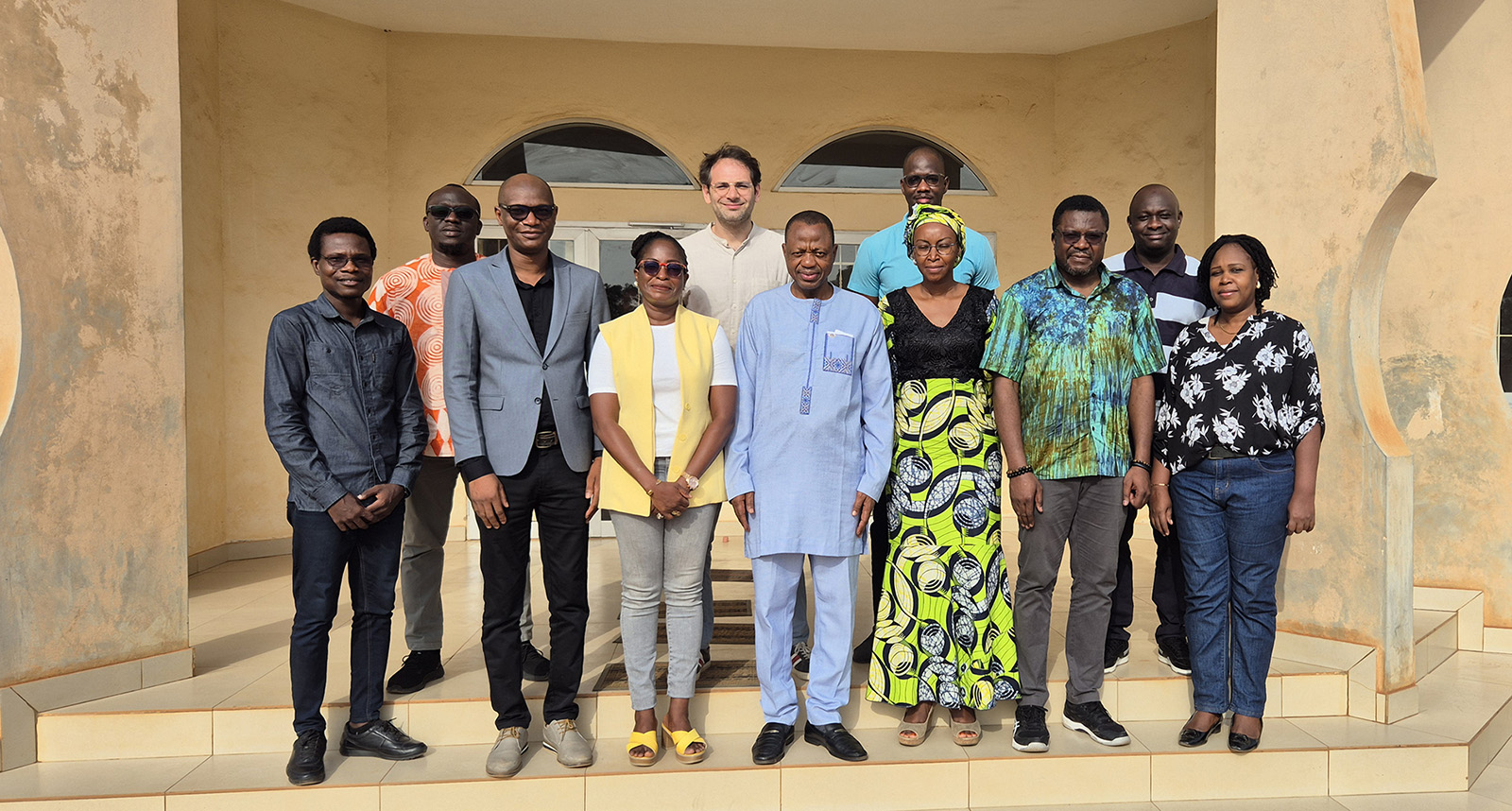
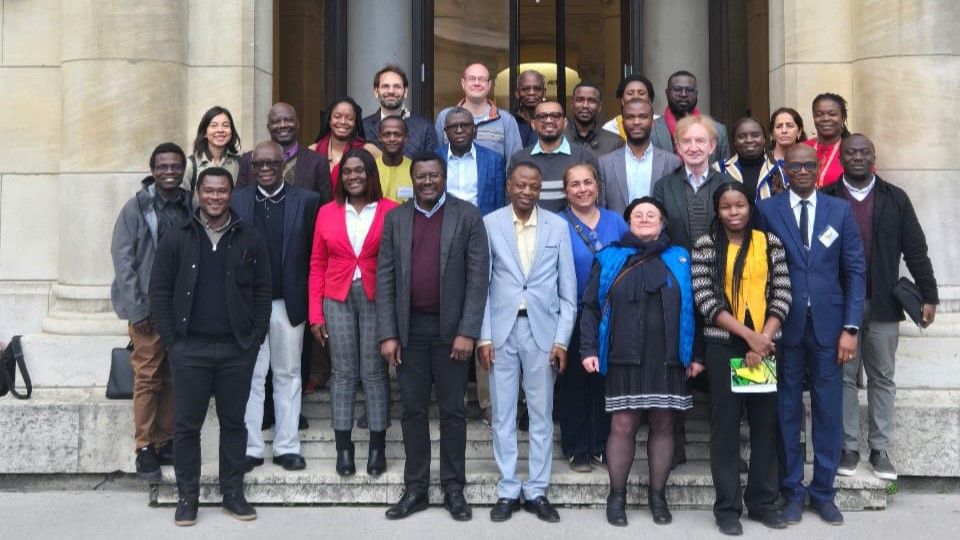
PfVIMT brings together a multidisciplinary consortium of leading experts in clinical research, vaccinology, immunology, parasitology, entomology, epidemiology and international project management. This unique combination of expertise enables the project to address the scientific, clinical and operational challenges associated with developing next-generation malaria vaccines.
The consortium combines the strengths of academic institutions, clinical trial centres, public health organisations and vaccine developers across Africa, Europe, North America and Asia. Working closely with national health authorities and local communities, the project ensures that its research is scientifically rigorous, ethically conducted and aligned with the needs of malaria-endemic countries.
Nicaise NDAM is a Research Director at IRD and Director of the MERIT research unit, which coordinates the PfVIMT project. An internationally recognised expert in malaria immunology and host–parasite interactions, he has contributed extensively to the understanding of naturally acquired immunity to malaria. Within PfVIMT, he leads the coordination of the consortium and supports the integration of scientific, clinical and operational activities across partner institutions.
Issaka SAGARA is Professor of Parasitology at the University of Sciences, Techniques and Technologies of Bamako (USTTB) and at the Parasites and Microbes Research and Training Center (PMRTC). A leading figure in malaria clinical research in Africa, he has played a key role in the evaluation of several major malaria vaccine candidates. As Scientific Project Leader of PfVIMT and Principal Investigator of the Mali trial site, he oversees the scientific implementation of the project and the conduct of key clinical studies assessing the safety and efficacy of the Pfs230D1+R21 vaccine strategy.
The strength of PfVIMT lies in its multidisciplinary consortium. Researchers, clinicians, public health experts and vaccine developers work together to address the scientific, clinical and operational challenges of developing next-generation malaria vaccines.
This collaborative approach helps accelerate innovation, strengthen research capacity and generate evidence that can support future vaccine deployment.


PfVIMT aims to accelerate the development of a next-generation multi-stage malaria vaccine designed to target both human infection and transmission to mosquito. Through its clinical studies, the project will:
If successful, Pfs230D1+R21 could become the first multi-stage malaria vaccine designed to both protect individuals and reduce parasite transmission within communities. By targeting multiple stages of the parasite life cycle, this approach has the potential to complement existing malaria control tools and contribute to long-term malaria reduction and elimination efforts.
Find the latest news on the PfVIMT project here:
scientific progress, field missions, events, publications and highlights from the consortium.
As part of the PfVIMT project, Ebenezer Addo OFORI (Postdoc, IRD) travelled to Benin in May to support ongoing clinical...
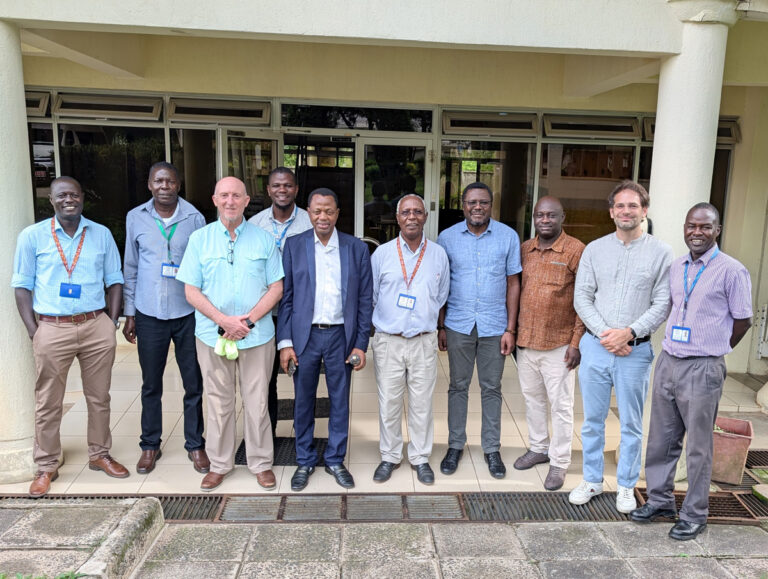
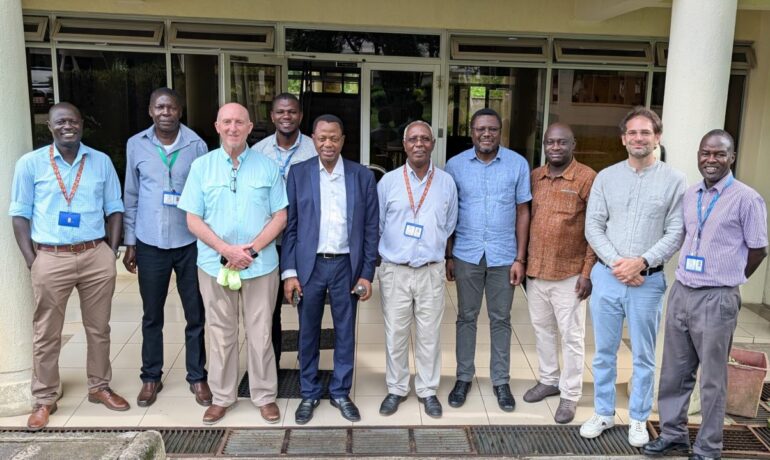
Last month, the PfVIMT consortium gathered at Ifakara Health Institute for a series of scientific and operational meetings focused on...
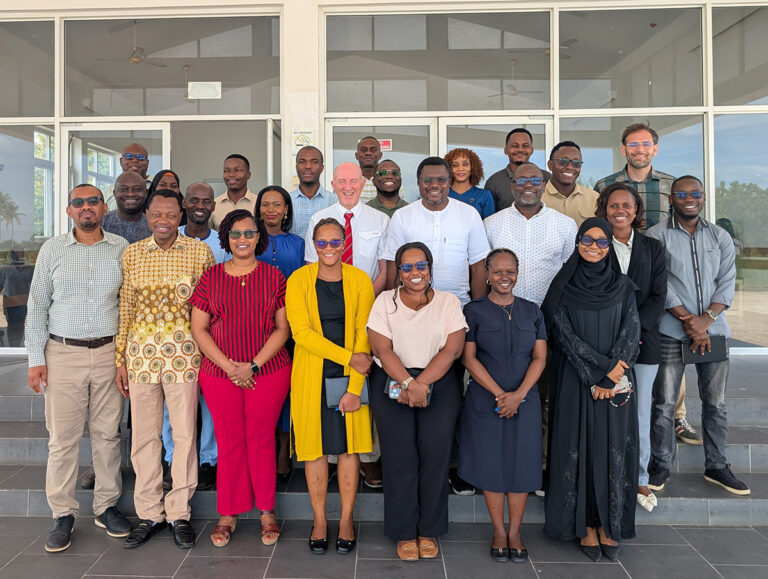
The PfVIMT consortium gathered in Kisumu to visit Kenya Medical Research Institute (KEMRI) facilities and ongoing project activities. Over three...